
Osteoarthritis in dogs is one of the most common chronic conditions affecting mobility and quality of life. While many pet owners associate it only with aging, the truth is more complex — inflammation plays a key role in the development and progression of joint degeneration.
Understanding where inflammation comes from and how to manage it — especially through diet — can significantly improve your dog’s comfort and long-term health.
What Is Osteoarthritis in Dogs?
Osteoarthritis is a degenerative joint disease in which cartilage gradually breaks down, leading to pain, stiffness, and reduced mobility. As the cartilage wears away, joints become inflamed, and movement becomes uncomfortable.
Where Does Inflammation Come From?
Inflammation in your dog’s joints doesn’t appear overnight. It develops over time and is influenced by several factors:
1. Microdamage and Overload
Everyday movement causes small stresses on joints. Over time — especially in active or large dogs — this can lead to micro-injuries and chronic inflammation.
2. Excess Body Weight
Extra weight puts additional pressure on joints, accelerating cartilage wear and increasing inflammatory responses in the body.
3. Poor Diet
A diet low in essential nutrients and high in pro-inflammatory components can worsen joint inflammation. Lack of omega-3 fatty acids, antioxidants, and key joint-supporting compounds plays a major role.
4. Aging Process
As dogs age, their natural ability to repair tissues decreases. This makes joints more vulnerable to inflammation and degeneration.
5. Genetics and Breed Predisposition
Some breeds are more prone to joint issues, meaning inflammation can develop earlier and progress faster.
How to Control Inflammation Through Diet
Diet is one of the most powerful tools in managing joint inflammation. The right nutrients can reduce inflammation, support cartilage, and improve mobility.
Key Nutrients for Joint Health
Omega-3 Fatty Acids
Omega-3s (EPA & DHA) have strong anti-inflammatory properties and help reduce joint stiffness and pain.
Glucosamine & Chondroitin
These compounds support cartilage structure, slow degeneration, and improve joint function.
Collagen
Collagen helps maintain joint elasticity and supports connective tissues.
Antioxidants (Vitamin E, C)
They help neutralize oxidative stress, which contributes to inflammation.
Hyaluronic Acid
Supports joint lubrication and improves movement comfort.
The Role of Supplementation
Even a well-balanced diet may not provide sufficient levels of key joint-supporting nutrients. This is where targeted supplementation becomes essential.
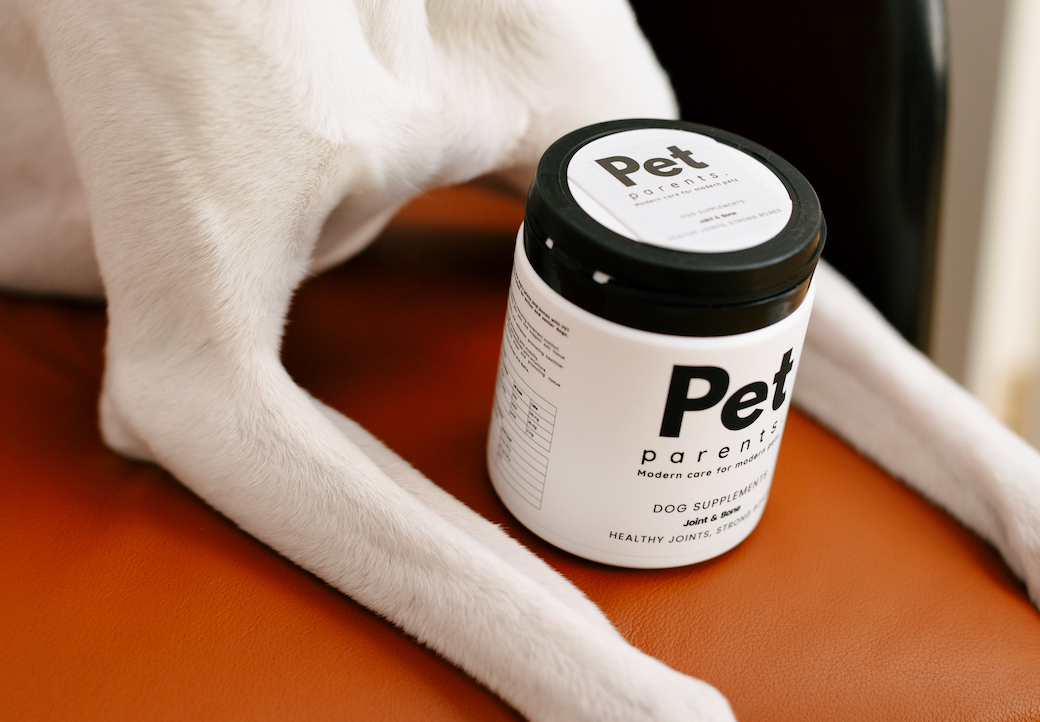
???? Functional supplements in treat form, such as Joint & Bone by Pet Parents, deliver a combination of glucosamine, chondroitin, and supportive nutrients in a convenient and highly absorbable way. They make daily joint support simple — especially for picky dogs or those that resist traditional supplements.
Daily Habits That Help Reduce Inflammation
In addition to diet, simple lifestyle changes can make a big difference:
✔ Maintain a healthy body weight
✔ Provide regular, low-impact exercise
✔ Avoid overexertion
✔ Ensure a comfortable resting space
✔ Monitor early signs of stiffness or discomfort
Signs of Joint Inflammation in Dogs
Early detection is key. Watch for:
- stiffness after rest
- reluctance to move or jump
- slower walks
- behavioral changes
- limping (in more advanced stages)
Conclusion – Diet as a Powerful Tool for Joint Health
Inflammation is at the core of joint degeneration in dogs — but it’s also something you can actively manage.
By combining proper nutrition, targeted supplementation, and healthy daily habits, you can help your dog stay active, comfortable, and happy for years to come.
Because when inflammation is under control, movement becomes easier — and life becomes better.